Do You Really Have to Give 30 Days’ Notice When Resigning? Can You Start a New Job Before That? What Thai Law Says — for Both Employees and Employers
Written by the team at Prompt Plus Accounting · About us ·
Thai law doesn’t actually say “30 days” — it uses “one pay period,” and counting it wrong could mean waiting almost two months! This article covers what both employees and employers need to know, from starting a new job early to whether an employer can deduct wages or make you leave before your notice ends. Read it before you hand in your resignation, so you can leave on good terms and avoid legal trouble.
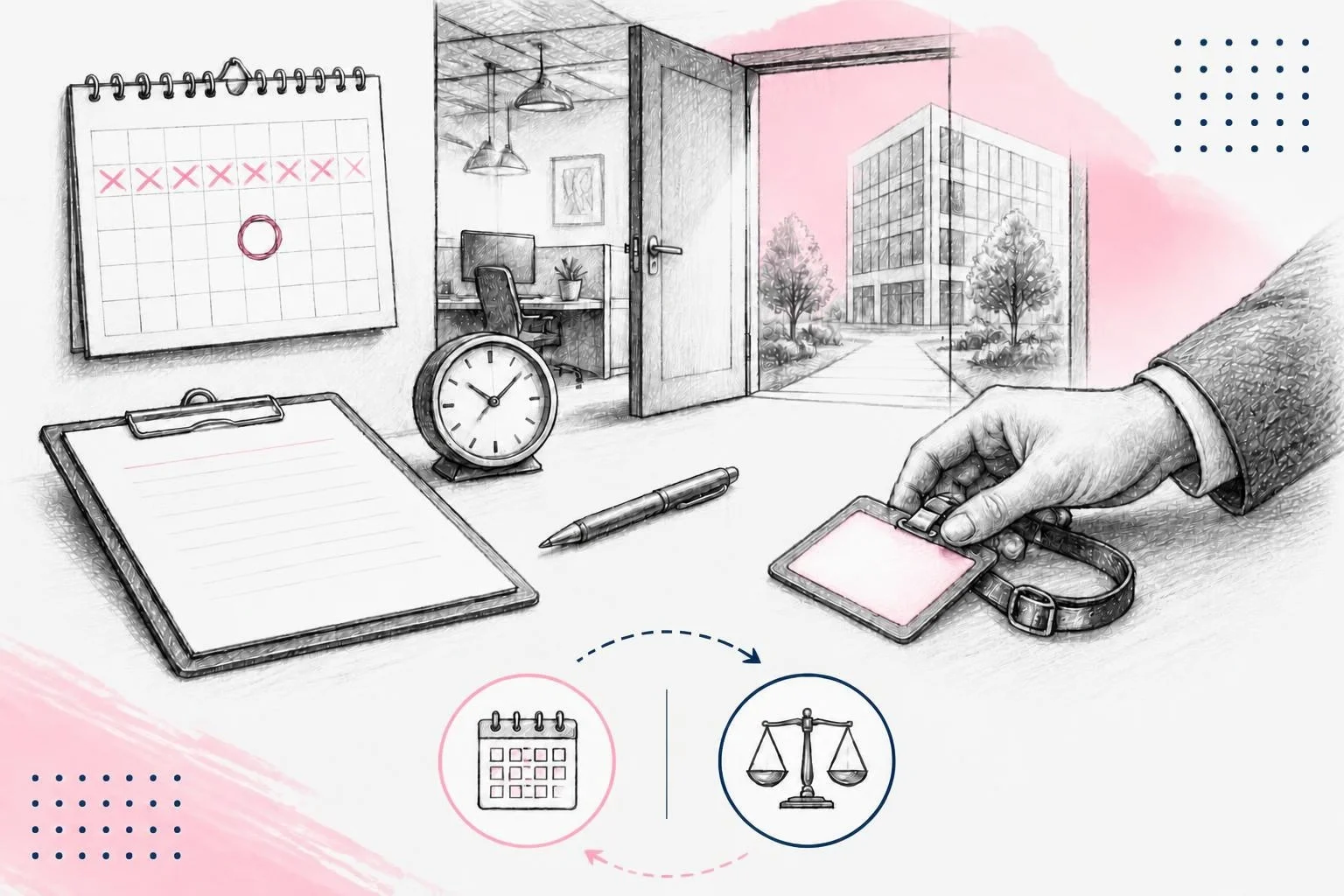 We often hear that you must give “30 days’ notice” when resigning. In fact, Thai law doesn’t actually say “30 days.” It uses the principle of “one wage payment period.” Let’s take a closer look.
━━━━━━━━━━━━━━
The Law: Section 17 of the Labour Protection Act B.E. 2541 (1998) and Section 582 of the Civil and Commercial Code
━━━━━━━━━━━━━━
🔹 Fixed-term employment contracts end automatically on the agreed date. No advance notice is required.
🔹 Open-ended employment contracts (most permanent employees)
Notice must be given in writing on or before a wage payment date, and it takes effect on the following wage payment date.
This rule applies to both sides — an employee who resigns must also give at least one pay period’s notice.
🔹 If your contract specifies a longer period, follow your contract — If your employment contract requires 2–3 months’ notice, which is longer than the legal minimum, you must give notice as stated in the contract.
📅 Example: The company pays salaries on the 25th of each month
Resign on 25 March ➡️ effective 25 April (31 days)
Resign on 26 March (after payday) ➡️ effective 25 May (~60 days)
“30 days’ notice” is not always the same as “one pay period.” Always count from the payday.
━━━━━━━━━━━━━━
Do You Really Have to Wait the Full Notice Period Before Starting a New Job?
━━━━━━━━━━━━━━
Labour law does not prohibit starting a new job. However, during the notice period you are still an employee of your current employer, and you are still obliged to work until your resignation takes effect.
🔹 If you stop working and start your new job early, this counts as leaving without proper legal notice, and you may face a claim for damages if your former employer can prove it suffered a loss.
✅ The safe and correct way to do it
Talk to your current employer and agree on an earlier last working day — and get it confirmed in writing. Once both parties agree, it is not a breach of contract.
Talk to your new employer about moving your start date to match the date your resignation takes effect.
Check your current contract for any non-compete clause or restrictions on working elsewhere while employed.
━━━━━━━━━━━━━━
👤 What Employees Should Know
━━━━━━━━━━━━━━
✅ Resignation does not require your employer’s approval — According to the Department of Labour Protection and Welfare (DLPW), a resignation does not need to be approved by the employer.
⚠️ Not giving proper notice may lead to a damages claim — The DLPW states that if the employer suffers a loss, it may sue for damages. If there is no loss, or the employer cannot prove it, the court will dismiss the case.
Supreme Court Judgment No. 10614/2558 (2015) held that an improper resignation violates Section 17, paragraph 2 of the Labour Protection Act and Section 582 of the Civil and Commercial Code, so the employer is entitled to claim damages, with the amount at the court’s discretion.
✅ No criminal penalty — Resigning without notice is not a criminal offence, but it may lead to disputes and legal claims.
✅ Wages for days already worked belong to the employee — Section 76 prohibits employers from deducting wages, except in cases permitted by law, such as income tax, social security contributions, or compensation for damages, which requires the employee’s consent.
━━━━━━━━━━━━━━
🏢 What Employers Should Know
━━━━━━━━━━━━━━
❌ You cannot reject or “not approve” a resignation — A resignation takes effect without the employer’s approval.
❌ You cannot deduct wages as a “penalty” — If you believe the company suffered a loss from a sudden resignation, you must pursue a claim through the proper legal process and prove the damages (Section 76).
⚠️ Telling an employee to leave before their resignation date may count as termination — For example, if an employee’s resignation takes effect at the end of next month but the employer tells them to leave immediately, this may legally be treated as termination by the employer on that day. The employer would then have to pay the normal termination benefits, such as severance pay based on length of service and payment in lieu of notice.
(This is different from a case where the employee asks to leave early and both sides agree. In that case, put it in writing to make clear the early departure was the employee’s request.)
🔹 If an employer wants to terminate employment immediately, it must pay wages in lieu of notice on the day the employee is made to stop work (Section 17/1). This is separate from severance pay under Section 118.
🔹 State the resignation notice period clearly in employment contracts and work rules, because if the contract requires 30 days’ notice, employees should follow that rule.
━━━━━━━━━━━━━━
🔹 Summary
━━━━━━━━━━━━━━
🔹 You can resign — no approval needed
🔹 The law requires at least one pay period’s notice, or the period set in your contract
🔹 You can start a new job early if you agree with your current employer in writing
🔹 No notice = no criminal offence, but you may face a damages claim if the employer can prove a loss
🔹 Employers cannot deduct wages on their own, and telling an employee to leave early may count as termination
🔹 The best approach: Employees should resign in writing, keep evidence, and hand over their work properly. Employers should have clear work rules and follow the law. Part on good terms, with no disputes on either side.
📞 Labour rights enquiries: Ministry of Labour hotline 1506, press 3
This article is for general information only. For specific disputes, please consult a labour inspector or a lawyer.
This article is general information, not advice for a specific case. Please consult us before making a decision.